
Cross Connections: How Your Potable Water Source Becomes Contaminated
February 29, 2020
The Safe Drinking Water Act of 1974 set a new standard for drinking water nationwide. But that doesn’t mean accidents don’t occur. Potable (or pure) water can sometimes become mixed with non-potable (or impure) water. When this happens, homeowners have a big problem on their hands. Of course, these contaminations aren’t always avoidable. However, knowing how a contamination occurs can help you prevent issues.
The first thing to become familiar with is the term “cross connection.” Put simply, this is any area where a public water supply and contaminated source are brought together. In your own home, these areas include the following:
- Garden hoses
- Pools
- Sprinkler systems
- Boilers
- Pressure washers
- Toilets
- Dishwashers
A contamination source can be anything from fertilizer to sewage. The threat of a contamination is highest in these particular areas.
The Two Common Causes of Contamination
There are several factors that can cause contamination. Of these, the two most frequent are unprotected piping and backflows. When these two factors occur simultaneously, massive contamination can result.
Unprotected Piping
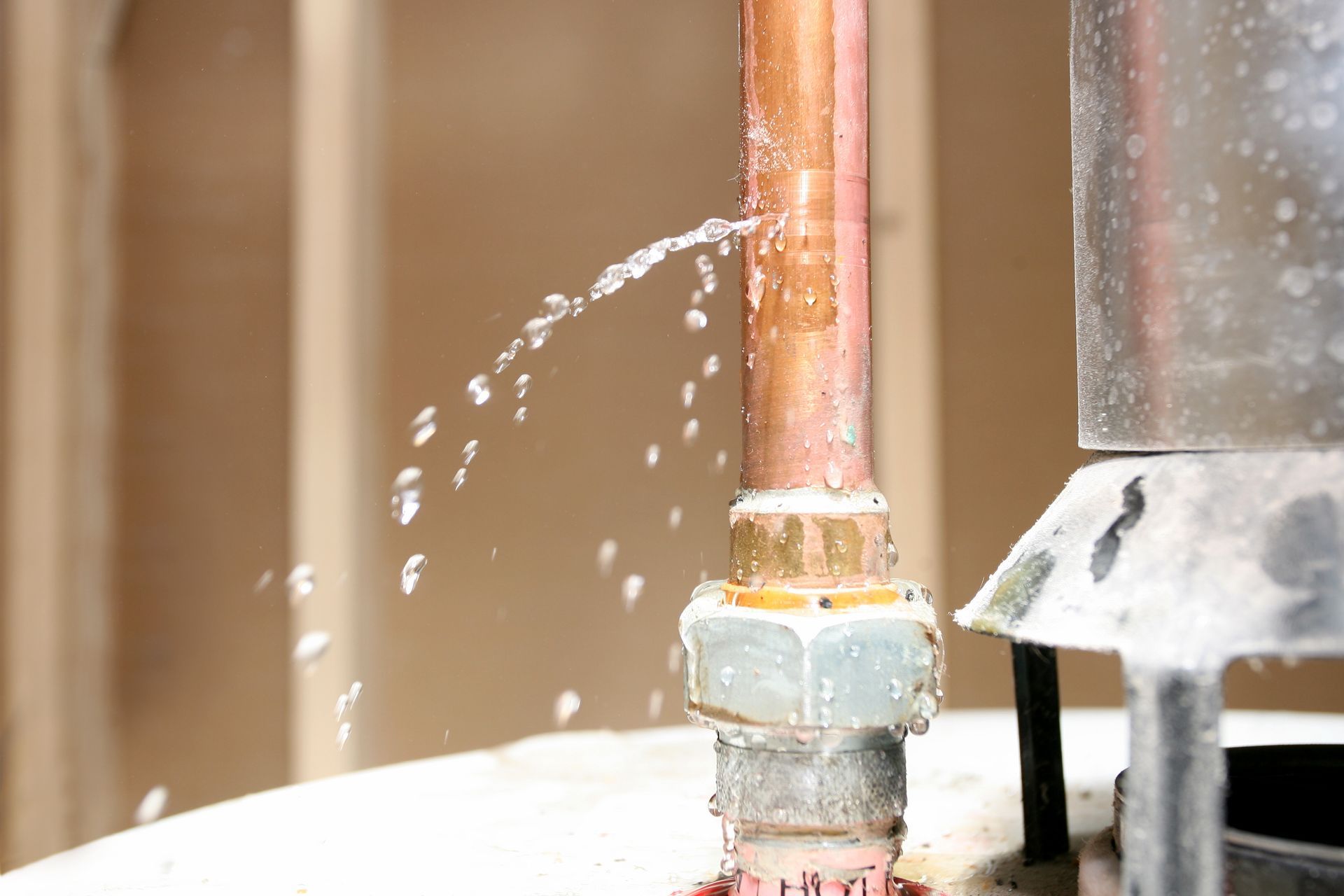
A piping system can become unprotected when it bursts, develops mold or other plant growth, or erodes. This is often the result of poor care and failure to schedule maintenance checkups. There are a range of other pipe protection methods. Primarily, you should be sure to implement the following tips into your maintenance routine:
- Avoid putting antifreeze and other harmful chemicals into your piping system.
- Drain hoses and bring them indoors when not in use.
- Insulate cold and hot water pipes. You can do this by installing heat tape or pipe sleeves to the exterior of your pipes.
- Keep garage doors shut if the garage contains a water supply source.
- Allow water to run continuously (even at just a drip) through exposed pipes.
These common sense tips are your first step towards achieving protected pipes. If you would like to learn more, your local plumber should be able to provide more information.
Backflows
The water in your home normally flows in one direction. The flow begins in the original water supply and moves on to the piping system and finally through your home’s water fixtures. Unfortunately, certain conditions can cause the flow direction to reverse.
While these conditions are rare, they do occur. The best way to avoid these conditions is by taking action with the following steps:
Identify your home’s cross-connections.
- Install backflow prevention devices. These include vacuum breakers and double check assemblies.
- Keep hoses from becoming submerged in water.
- Turn off valves when they are not being used.
- Install thermal expansion devices on hot water pipes.
When you take these steps, you work to ensure that your water supply remains uncontaminated. This work also benefits your neighbors and community.
Schedule Regular Maintenance for Best Results
You’ve heard it before, but here it is again: regular maintenance is the best course of action. Choose a plumbing company that complies with state and federal standards. By doing so, you can avoid problems down the road. Most cross connection control services include the following:
- Backflow prevention programs that install and maintain prevention devices.
- Testing of auxiliary water sources to ensure that drinking water standards are met.
- Testing and maintenance of private fire hydrants.
- Repairs and replacements for backflow prevention devices.
Contact a Plumber for More Information about Your Cross Connection Risks
Of course, your best option will be to work with a local professional. He or she will understand your local climate and other potential threats to your water supply. You may have questions or be interested in learning more about water contamination avoidance. If so, we suggest you give a local plumber a call right away.
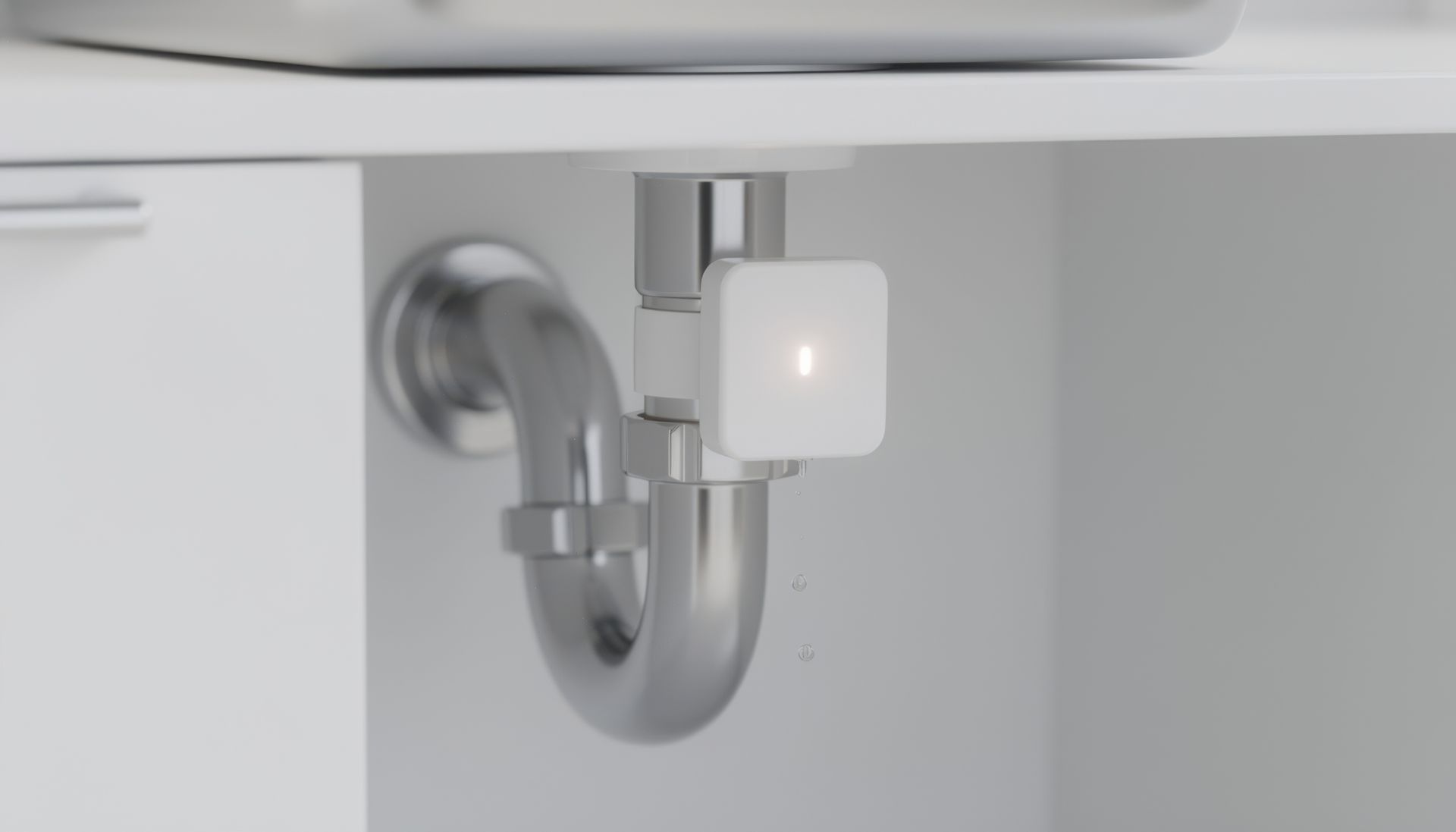
Spot hidden leaks early with leak detection in Estero, FL. First Class Plumbing of Florida, Inc. offers 24/7 service. Call for a free quote today!
Leak detection in Estero, FL can stop hidden leaks before they spike your bill. First Class Plumbing Of Florida, Inc. call 239-597-9997 today!
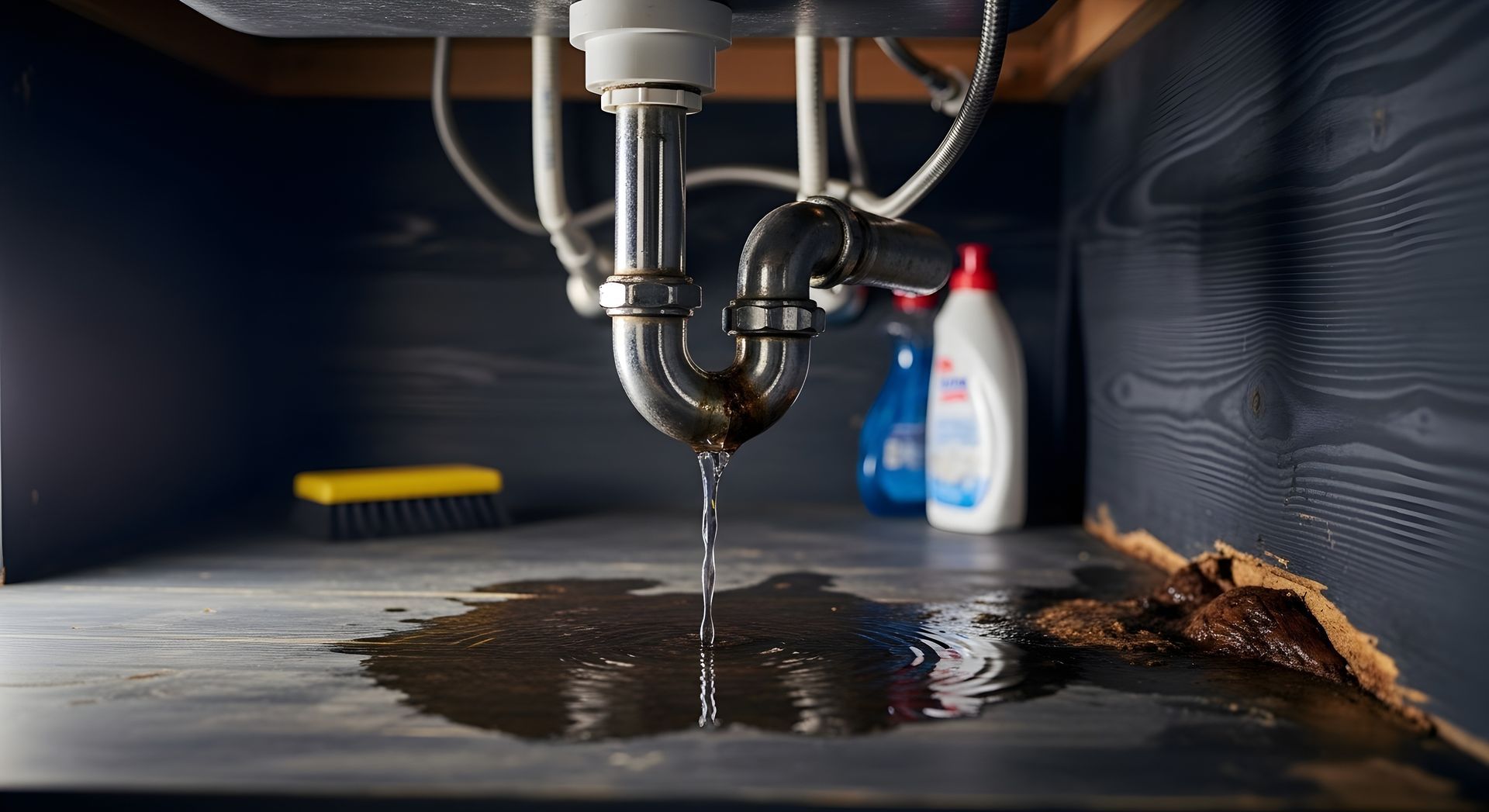
Facing a plumbing leak in Marco Island, FL? Call First Class Plumbing of Florida, Inc. at 239-597-9997 for fast, reliable plumbing leak repair services.
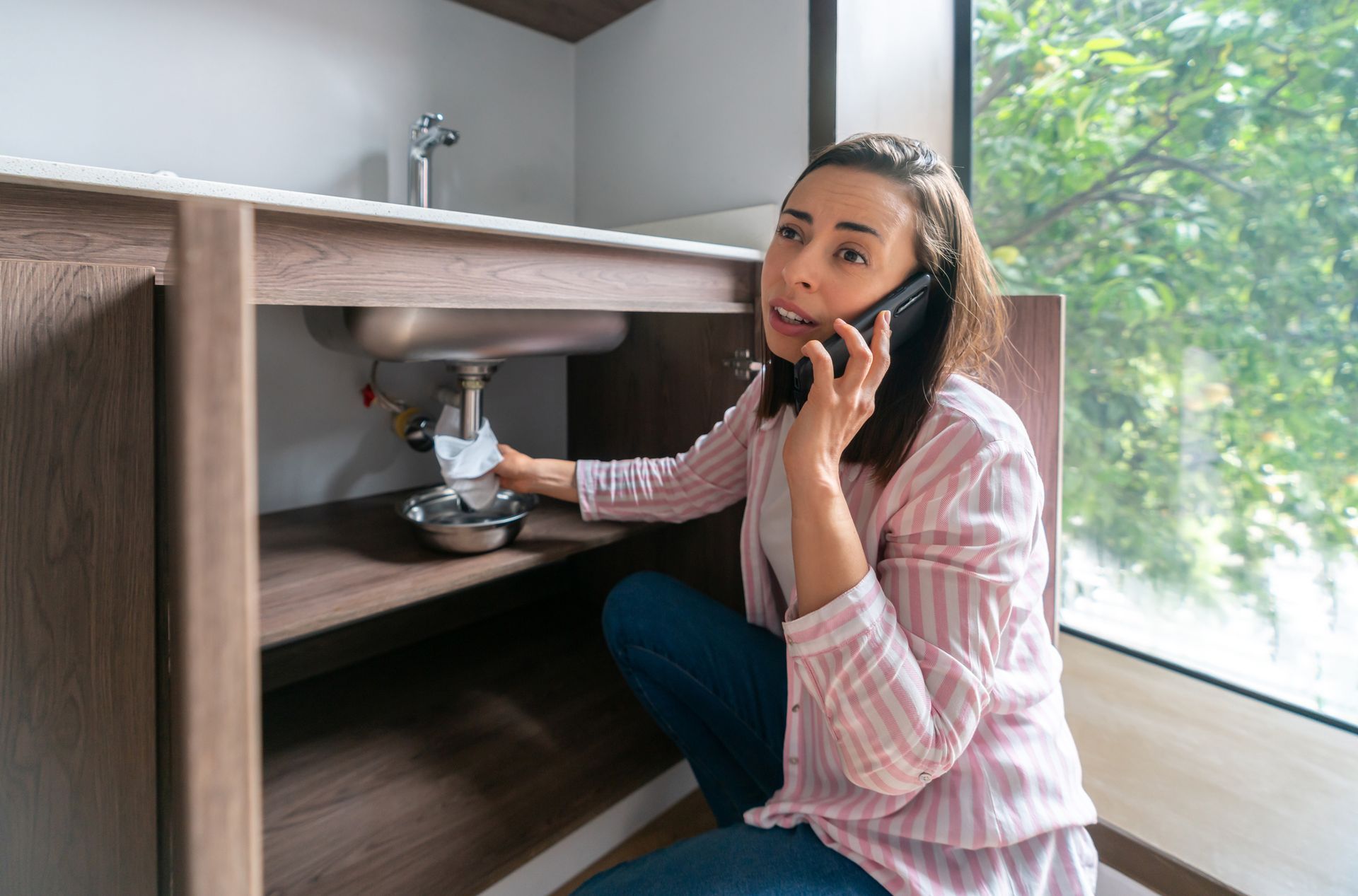
Prevent plumbing emergencies in Bonita Springs, FL, with First Class Plumbing Of Florida, Inc. Call 239-597-9997 now for expert emergency plumber services!
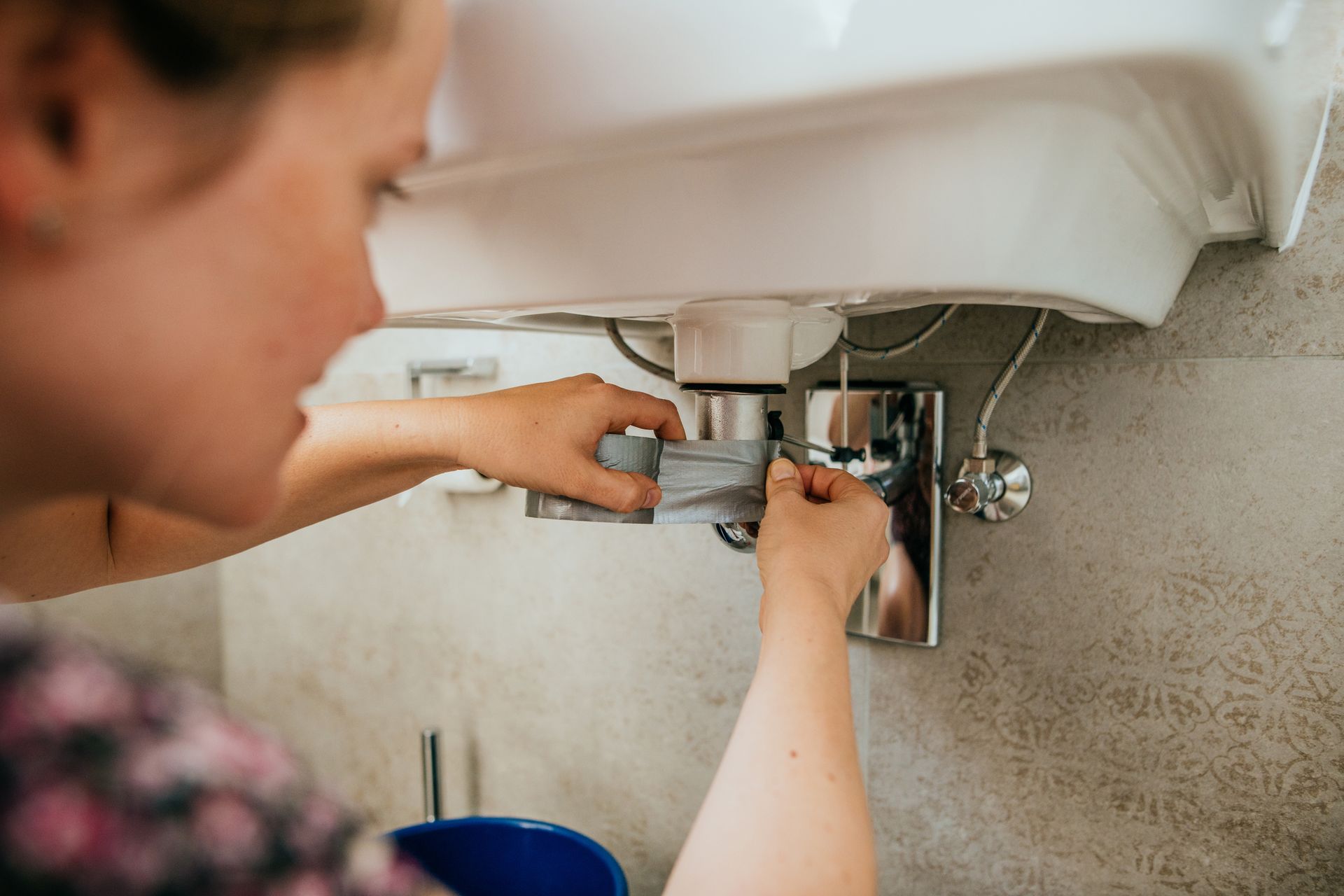
Save money with timely plumbing leak repair in Marco Island, FL. Contact First Class Plumbing Of Florida, Inc., today for fast, reliable service and expert repairs!
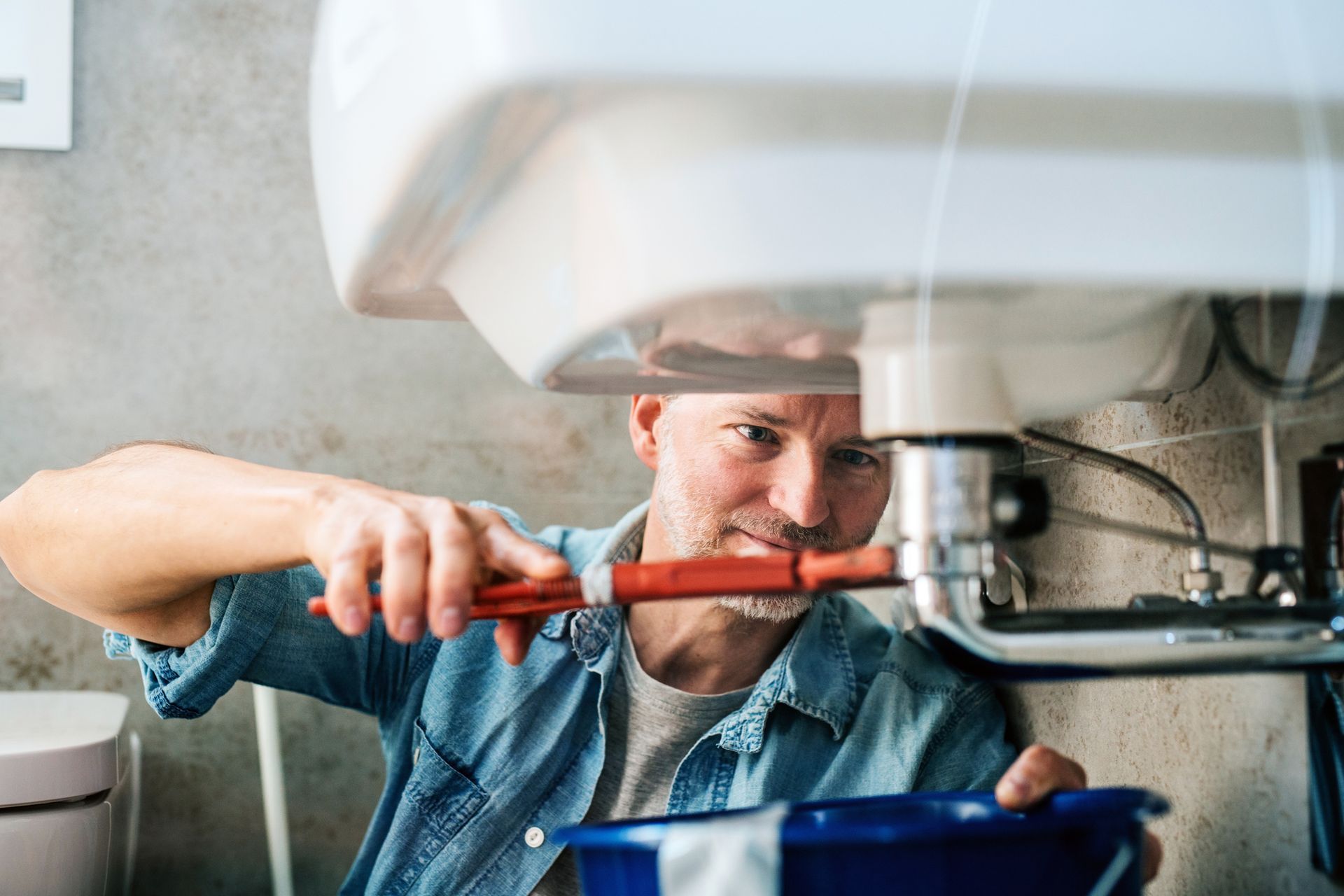
Trust First Class Plumbing Of Florida, Inc. for emergency plumbing in Bonita Springs, FL. Call 239-597-9997 for licensed 24/7 service and peace of mind!
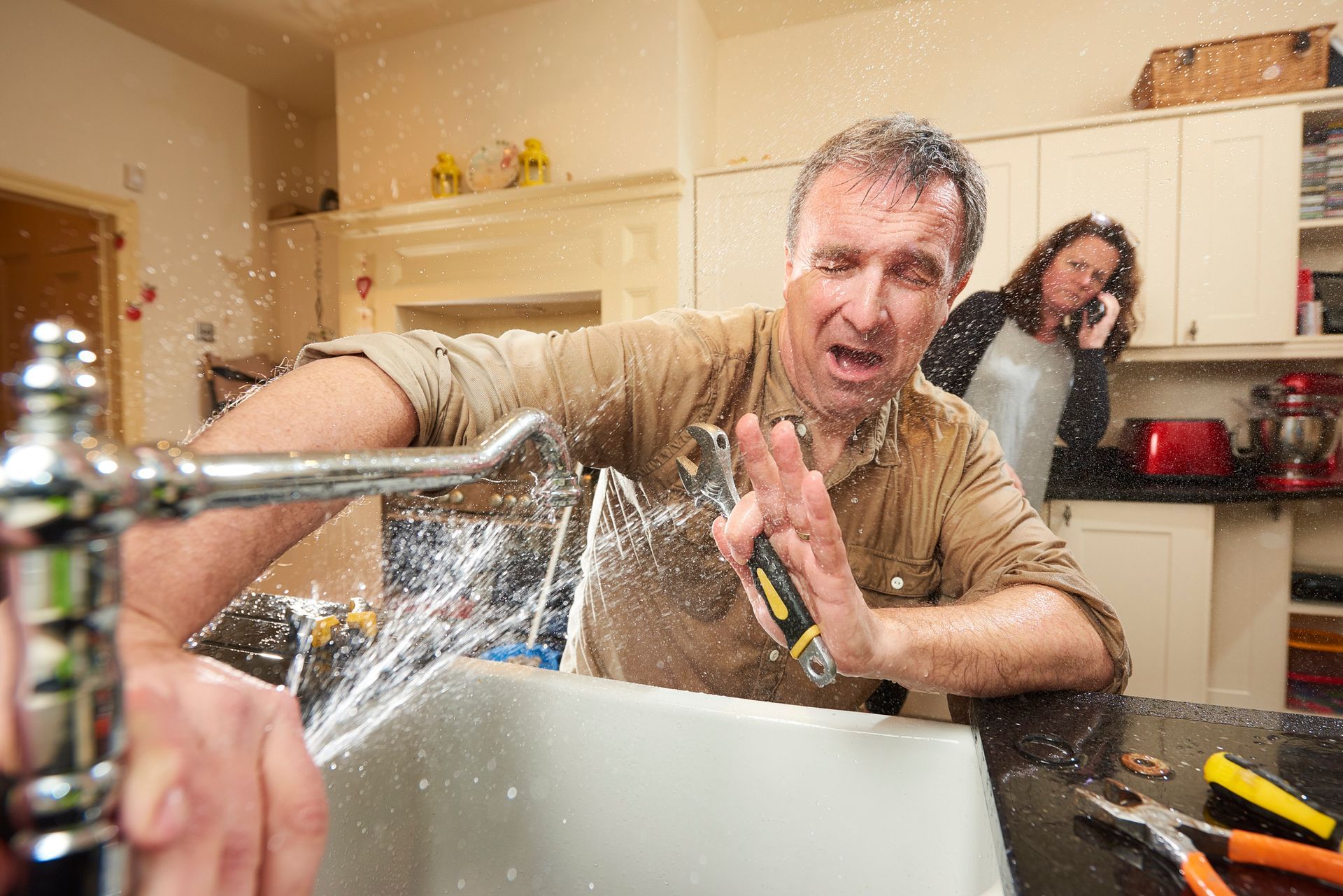
Discover the importance of plumbing leak detection in Estero, FL, with First Class Plumbing of Florida, Inc. Call (239) 597-9997 for expert service today!
Discover why quick response times are crucial for emergency plumbing in Bonita Springs, FL. Click here for advice from First Class Plumbing of Florida, Inc.
Discover 5 ways to prevent plumbing leaks in Marco Island, FL. Ensure your home or business stays leak-free. Contact First Class Plumbing at (239) 597-9997.





