How an Emergency Plumber Can Help You Prevent Emergencies
December 1, 2025
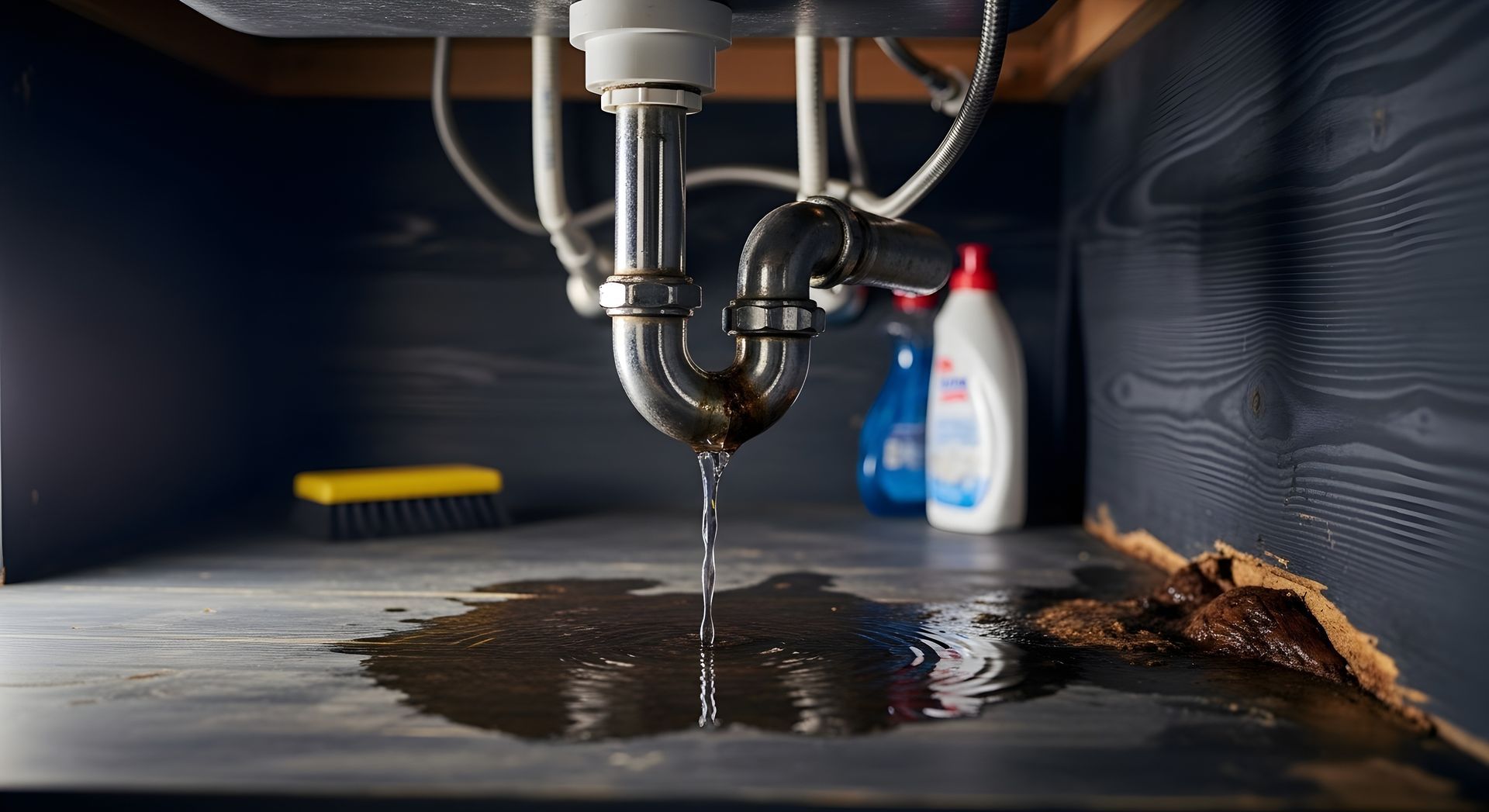
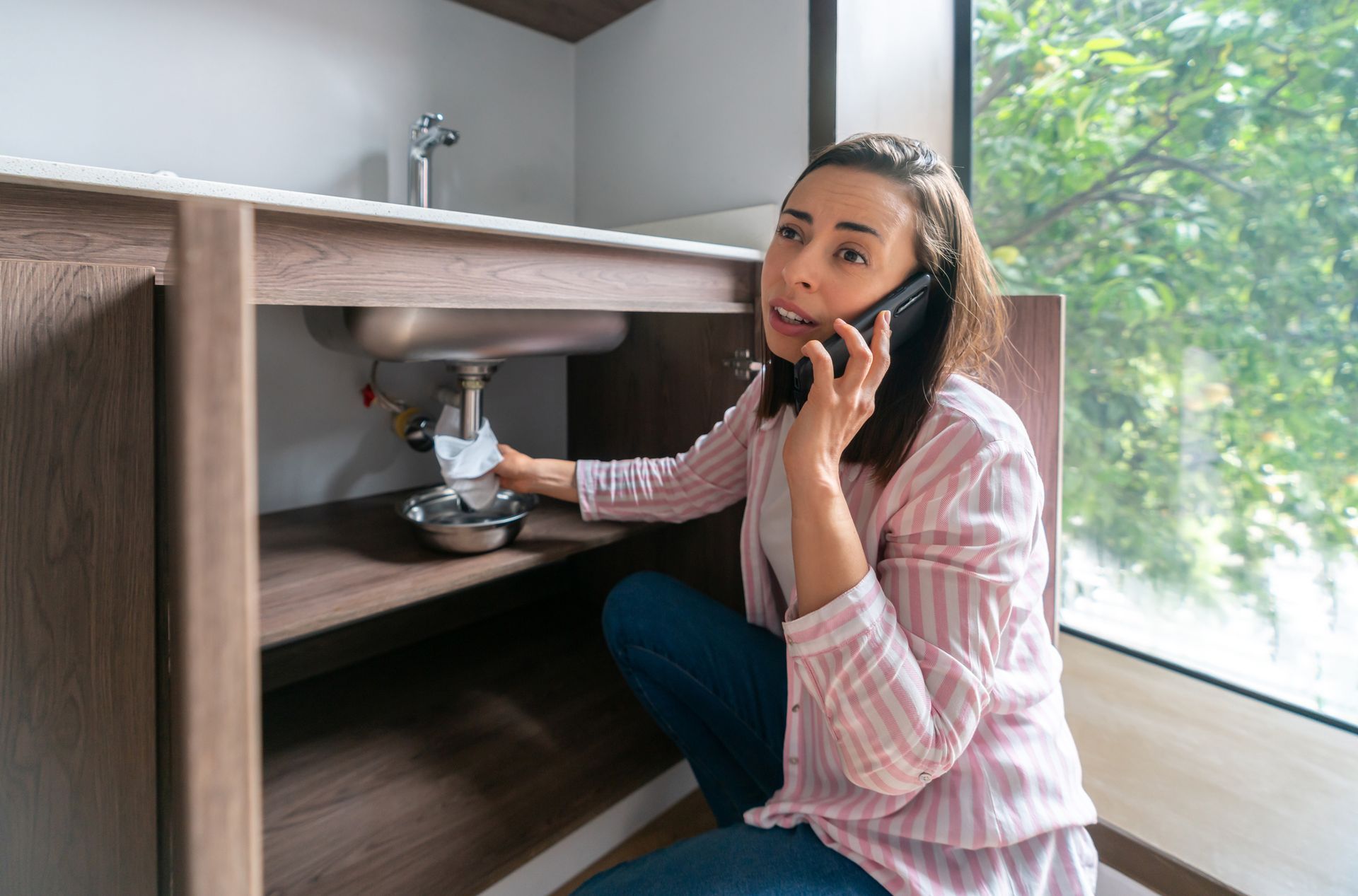
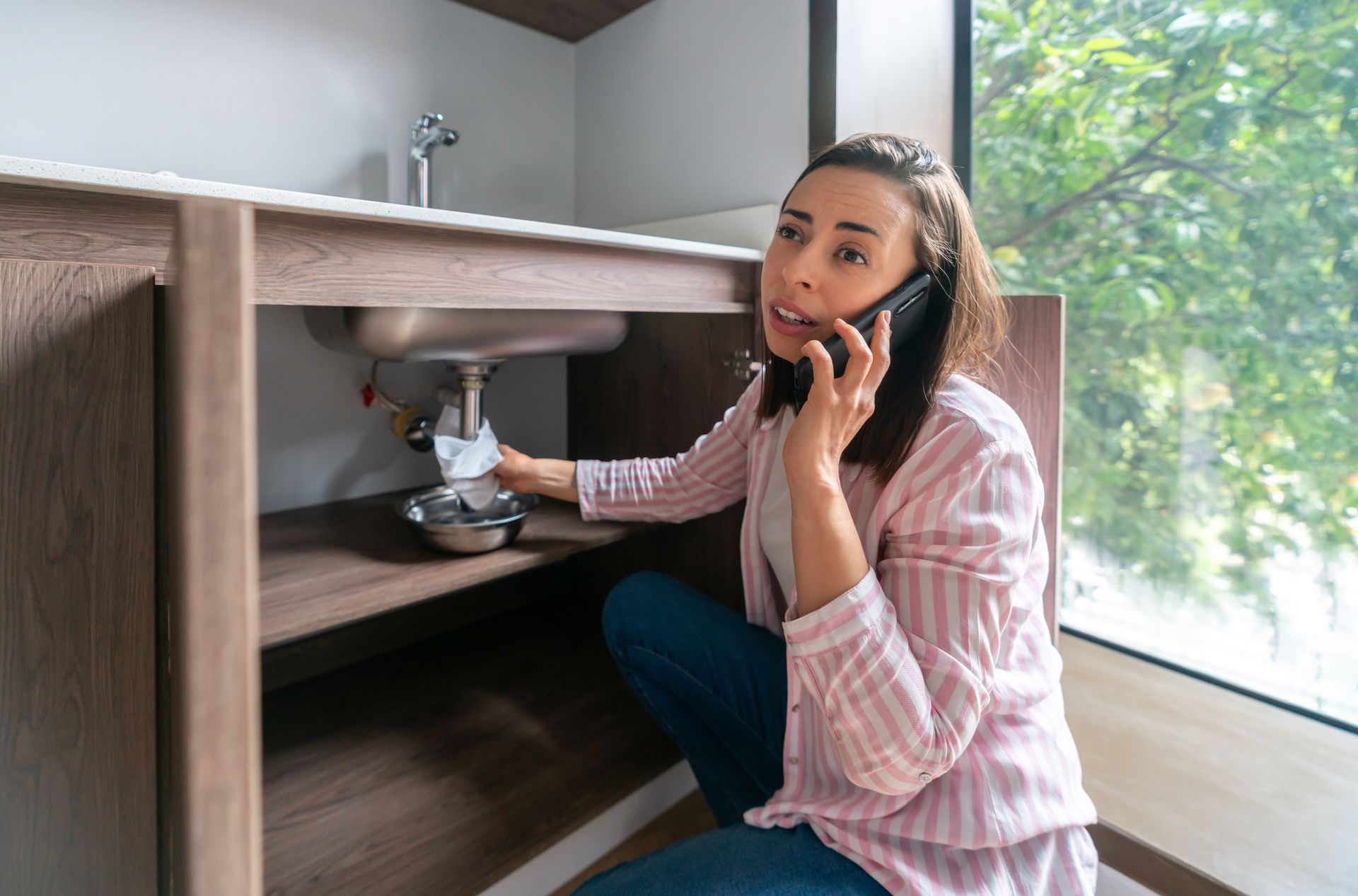
Woman having a leak in her kitchen sink

Have you ever wondered how to protect your home from unexpected and costly plumbing disasters? Having an emergency plumber in Bonita Springs, FL, on standby can save the day, but prevention is always the best strategy. Plumbing emergencies not only disrupt your daily routine but can result in significant home damage if not addressed promptly. By understanding common causes, investing in professional inspections, and recognizing when urgent help is needed, you can keep your plumbing system healthy and avoid unnecessary stress.


In this article, we will explore the most effective ways to prevent plumbing emergencies, explain what causes them, and guide you on when and how to call an emergency plumber to handle unexpected situations swiftly and professionally.


Common Causes of Plumbing Emergencies and How to Avoid Them


Many plumbing emergencies begin with minor issues that can quickly escalate if left unchecked. Understanding these common causes can help you avoid costly repairs and the need for an emergency plumber later.


  • Clogged Drains and Toilets: Hair, grease, soap scum, and food particles can accumulate over time, causing slow drainage or complete blockages. Avoid pouring grease down kitchen drains, and use sink strainers to catch food scraps. For toilets, never flush anything other than toilet paper and human waste. Regularly cleaning drains and being mindful of what goes down can prevent major clogs.
  • Damaged or Aging Pipes: Old pipes or shifting soil can cause cracks, corrosion, or leaks. Tree roots can penetrate sewer lines, causing blockages and breaks. You should avoid planting large trees or shrubs near your sewer lines and have your pipes inspected every few years to spot early signs of damage.
  • Water Heater Problems: Sediment buildup in your water heater tank affects efficiency and can lead to leaks or complete failure. Flushing the system annually is a good preventive measure, and monitoring temperature settings helps extend its lifespan.
  • Frozen Pipes: While freezing temperatures are rare in Bonita Springs, FL, they can still occur during uncommon cold snaps. Unprotected exposed pipes are at risk. Insulating such pipes and allowing faucets to drip during cold weather can minimize freezing damage.
  • Improper Use of Chemical Cleaners: Some drain cleaners contain harsh chemicals that can eat away pipe surfaces or exacerbate blockages by causing buildup. Opt instead for natural or enzymatic treatments and avoid frequent use of chemical products.


By adopting these preventative practices, you can significantly reduce the likelihood of experiencing an emergency plumbing situation.


Importance of Routine Plumbing Maintenance and Professional Inspections


DIY maintenance is helpful, but it can only do so much. Engaging a licensed emergency plumber regularly for professional inspections is a crucial part of comprehensive plumbing care.


What Does a Professional Inspection Include?


  • Leak Detection: Trained plumbers use specialized cameras and moisture meters to find hidden leaks behind walls or underground.
  • Pipe Condition Assessment: Inspecting for corrosion, cracking, or aging pipelines helps avoid catastrophic failures.
  • Water Pressure Testing: Unusual pressure changes can indicate deeper system problems.
  • Sewer Line Evaluation: Using video inspection allows early discovery of clogs, root intrusion, or cracks.
  • Water Heater and Appliance Checks: Ensuring these systems operate safely and efficiently prevents sudden breakdowns.


Scheduling these inspections annually or biannually gives you proactive control over plumbing issues before they explode into costly emergencies.
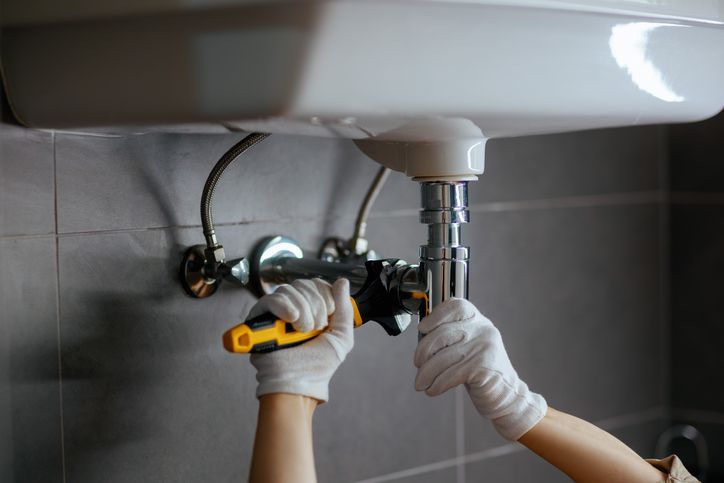
A plumber tightens a chrome drain pipe under a white sink with a wrench.

Recognizing Early Warning Signs of Plumbing Trouble


Knowing when your home’s plumbing might be at risk helps you decide if it’s time to call an emergency plumber. Pay attention to:


  • Slow-draining sinks, tubs, or toilets
  • Strange noises like banging or gurgling in pipes
  • Unpleasant odors coming from drains or toilets
  • Unexpected wet spots, mold growth, or unexplained water bills
  • Water discoloration or reduced water pressure
  • Sudden temperature fluctuations in hot water supply


If you notice any of these warning signs persistently, don’t hesitate to arrange a professional assessment. Early intervention can often avoid the need for emergency repairs.


When and Why to Call an Emergency Plumber in Bonita Springs, FL


Sometimes plumbing problems escalate quickly, turning into full-blown emergencies that require immediate attention. Knowing when to call an emergency plumber is vital to minimize home damage and restore your system efficiently.


You should contact an emergency plumber if you experience:


  • Burst or leaking pipes causing flooding
  • No running water due to broken pipes or pump failures
  • Sewer backups posing health risks
  • Water heater failure leading to leaks or no hot water
  • Signs of severe leaks, such as bubbling walls, floors, or ceilings
  • Frozen pipes causing ruptures


Attempting to fix major emergencies yourself can make matters worse or cause harm. Professional emergency plumbers in Bonita Springs, FL, have the experience, tools, and rapid response capability to handle these crises correctly—and promptly.


How First Class Plumbing of Florida, Inc., Combines Emergency Services With Preventive Care


When it comes to protecting your Bonita Springs home, partnering with the right plumbing company is key. At First Class Plumbing of Florida, Inc., they provide a unique combination of expert emergency plumber services and comprehensive preventive maintenance plans.


Emergency Services Include:


  • 24/7 immediate response to plumbing emergencies
  • Rapid diagnostics and repair of leaks, clogs, and water heater issues
  • Sewer line cleaning and repairs to reduce health hazards
  • Transparent pricing and honest communication during stressful times


Preventive Care Services Include:


  • Scheduled full-system plumbing inspections and maintenance
  • Water heater flushing and tune-ups
  • Drain cleaning and root eradication
  • Pipe and fixture assessments to prevent sudden failures


With this dual approach, clients enjoy the reassurance of expert help when emergencies arise, plus ongoing support to keep problems from happening in the first place.


Take Action Today to Safeguard Your Bonita Springs Home


Don’t wait for a plumbing crisis to disrupt your life. Protect your home by scheduling a professional plumbing inspection or emergency plumbing service with First Class Plumbing of Florida, Inc. Trusted as the leading emergency plumber in Bonita Springs, FL, their experts are ready to help you prevent damage and respond quickly when emergencies arise. Call 239-597-9997 now or visit our contact page to secure your home’s plumbing health today!
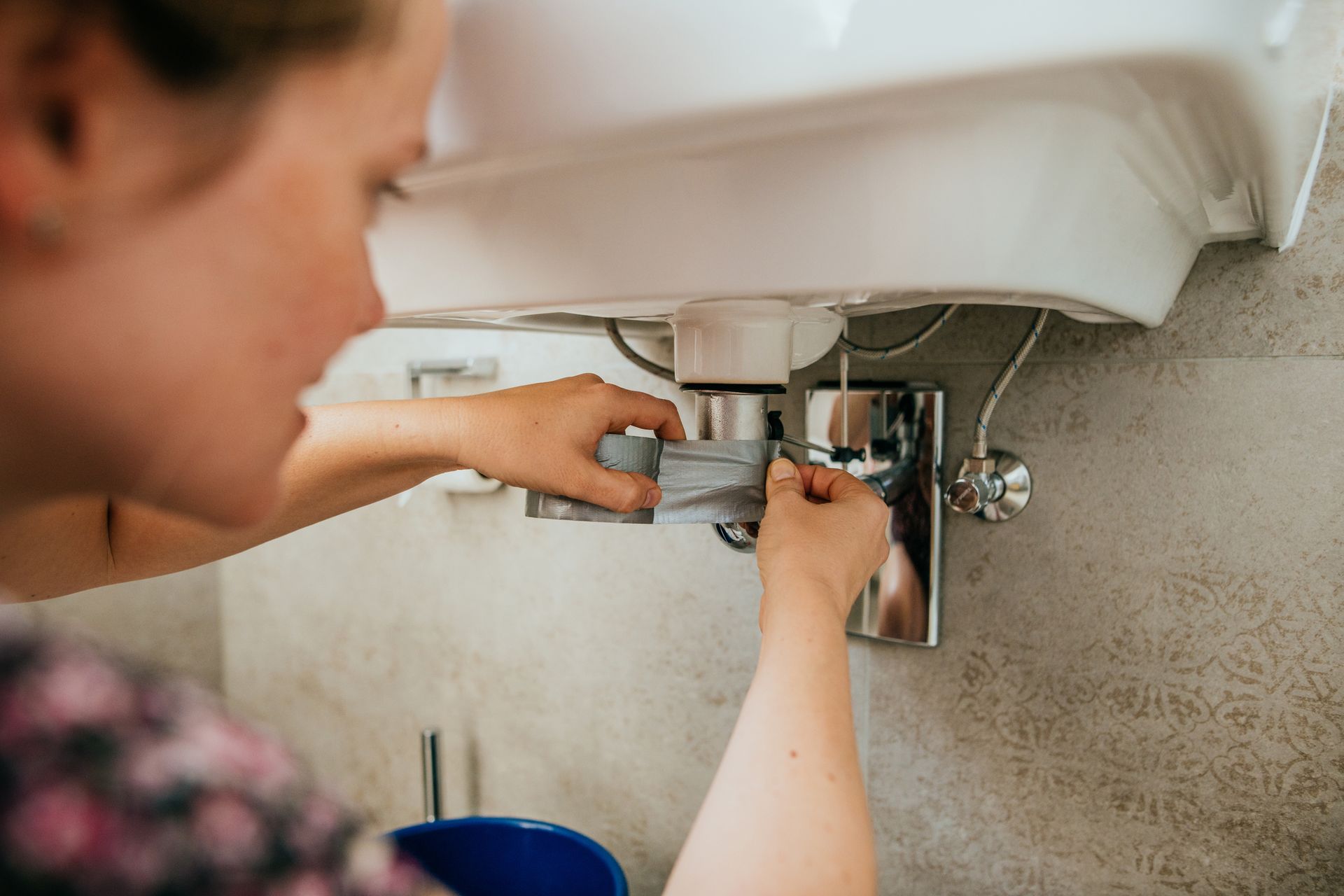
Woman trying to fix a leak in a sink using strong tape.
November 4, 2025
Save money with timely plumbing leak repair in Marco Island, FL. Contact First Class Plumbing Of Florida, Inc., today for fast, reliable service and expert repairs!
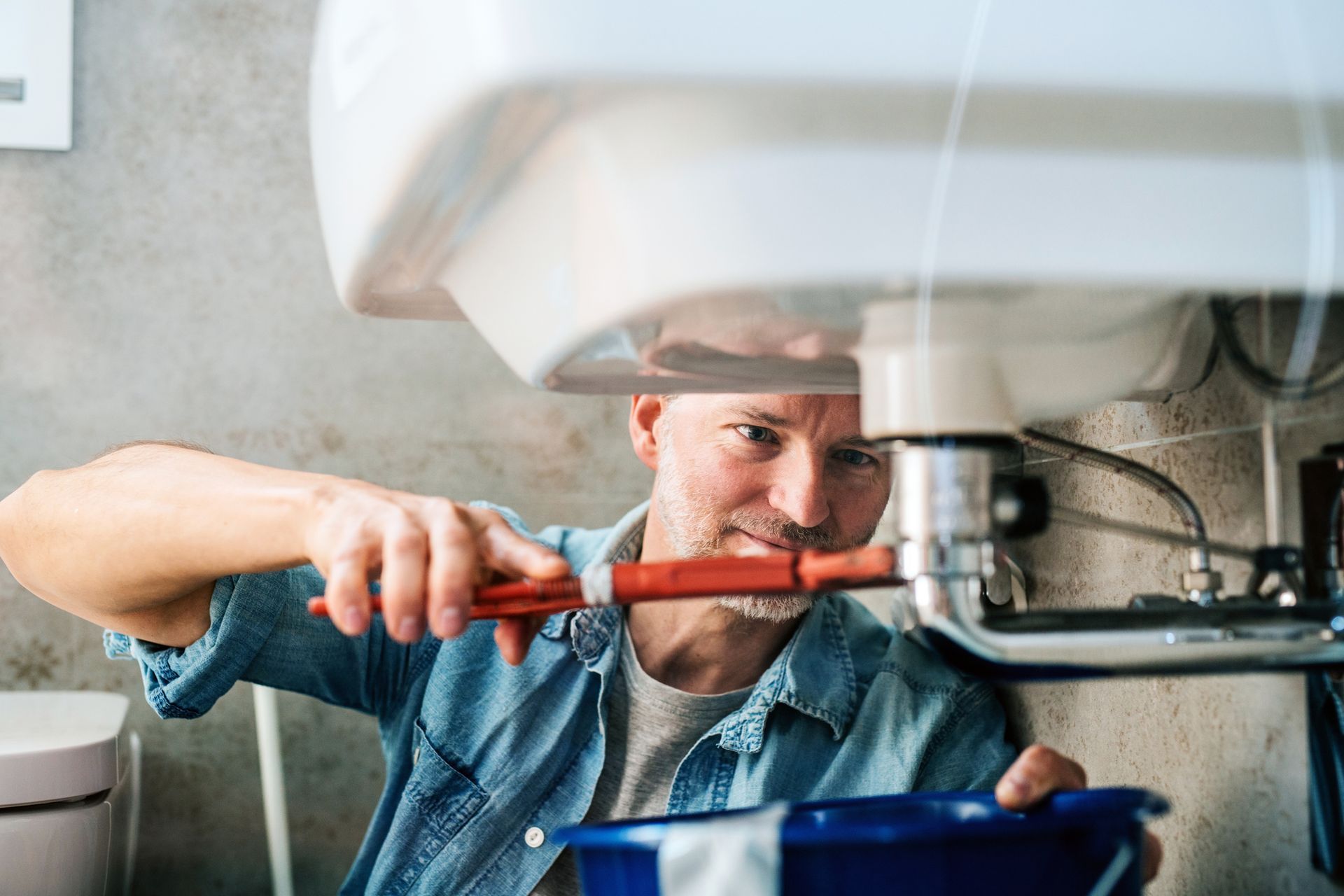
Man trying to fix a leak in a sink using a pipe wrench.
September 3, 2025
Trust First Class Plumbing Of Florida, Inc. for emergency plumbing in Bonita Springs, FL. Call 239-597-9997 for licensed 24/7 service and peace of mind!
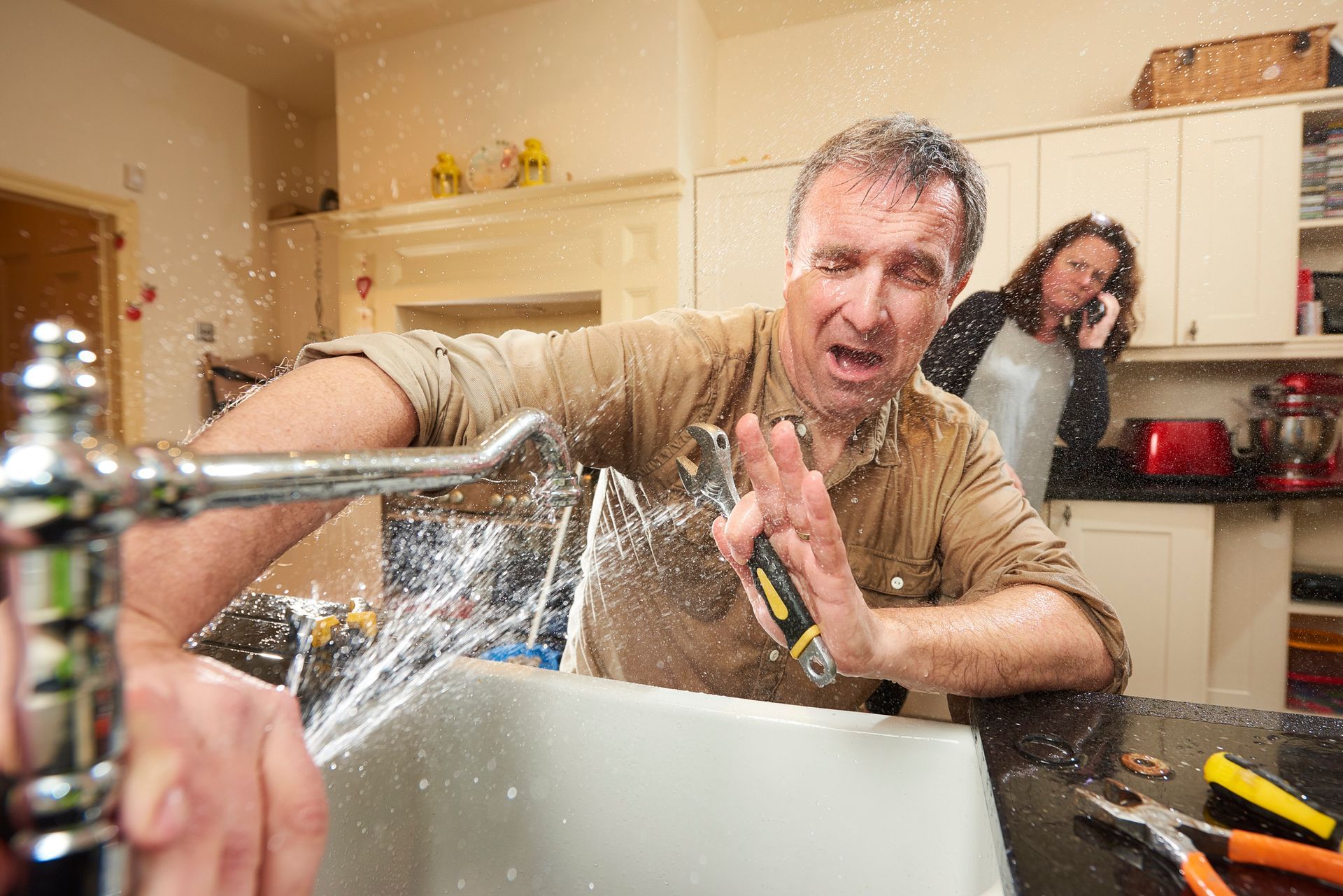
A man repairs a sink as water spills out, highlighting plumbing leak detection efforts.
June 10, 2025
Discover the importance of plumbing leak detection in Estero, FL, with First Class Plumbing of Florida, Inc. Call (239) 597-9997 for expert service today!
Woman having a leak in her kitchen sink and calling the plumber
By admin May 30, 2025
Discover why quick response times are crucial for emergency plumbing in Bonita Springs, FL. Click here for advice from First Class Plumbing of Florida, Inc.
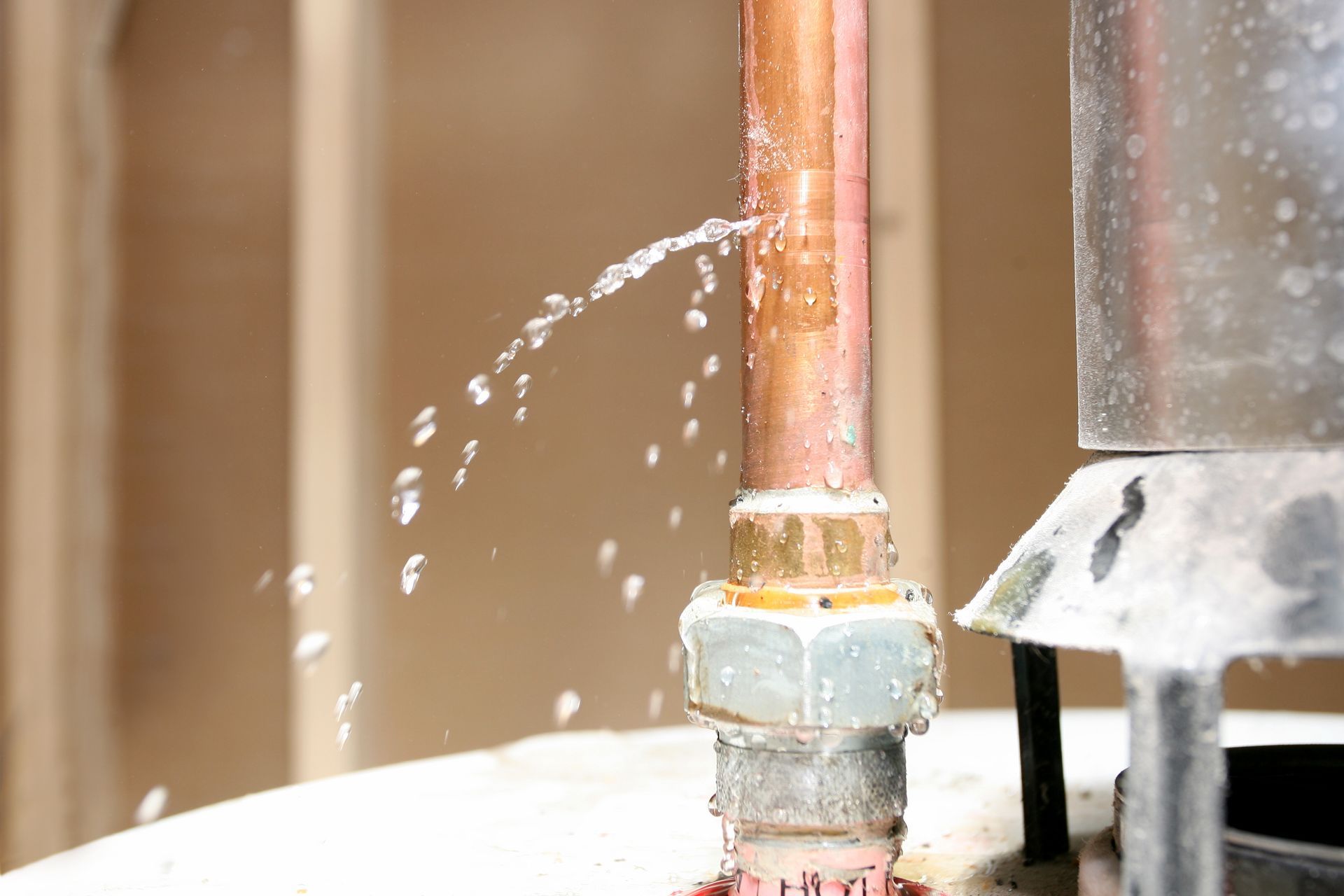
Water leak coming out of a cooper pipe on top of a used water heater, showcasing a plumbing leak.
April 9, 2025
Discover 5 ways to prevent plumbing leaks in Marco Island, FL. Ensure your home or business stays leak-free. Contact First Class Plumbing at (239) 597-9997.
February 29, 2020
For toilets pricing and installation in Marco Island, Naples, Estero, Myers FL and surrounding areas, please call 239-597-9997.
February 28, 2020
For toilets pricing and installation in Marco Island, Naples, Estero, Myers FL and surrounding areas, please call 239-597-9997.
February 27, 2020
You don’t worry about your garbage disposal most of the time-after all, it sits out of sight and out of mind. You only worry about it when you have to clear a backup in your sink or flush food debris down the drain. You might also feel anxious when you have to fish a ring or other valuable out of the disposal’s depths. But for the most part, you don’t think about this home feature much. Even though this device doesn’t play a starring role in your everyday comfort, you’ll notice when it doesn’t work properly. If your garbage disposal exhibits any of the signs listed below, then it either needs repair or replacement. Call your plumber right away so you can have a working disposal again as soon as possible. 1. Your Garbage Disposal Won’t Even Turn On If you flip the switch for your disposal and nothing happens, then you know you have a problem. But before you call your plumber, check the circuit breaker or fuse connected to your disposal. You may have to hit the reset button on a nearby outlet, or you might have to go to your circuit breaker box and flip a larger switch there. Once you’ve checked the breakers, try to use your disposal again. If it still refuses to move or make noise, turn it off and check the interior to see if anything has jammed the blades. If you don’t see any obstructions, and if the circuit hasn’t blown, then your garbage disposal has probably burned out, and you’ll need a plumber to at least inspect the device. He or she will probably have to replace it. 2. You Have to Press the Reset Button Every Time You Use Your Disposal If you have to push the reset button on the outlet or flip the switch on the breaker every time you use your garbage disposal, then you either have insufficient wiring or your disposal has started to age. You’ll probably have to replace the disposal if it caused the problem. Again, contact your plumber for an inspection. If he or she says your disposal has worn out, then you should get a new one. On the other hand, if your plumber says that the disposal didn’t cause the problem, then you have to speak to an electrician. Even an older electrical system should support a garbage disposal. If yours doesn’t, then you could have a serious, even dangerous, wiring problem on your hands. Have a professional check it right away. 3. Your Garbage Disposal Has a Perpetually Bad Odor You’ve tried everything. You have used hot and cold water, citrus fruits, chemical agents, and other methods to try and get the smell out of your garbage disposal-but without success. At this point, you should probably consider having a professional disassemble and clean your garbage disposal. You can also replace the device and instantly have fresher air. 4. Your Disposal Takes an Excessively Long Time to Break Down Food Your garbage disposal should have the power to break down food waste in a matter of seconds. If it takes longer, then the blades have probably dulled. You don’t need to replace your entire device in this instance, but you do need your plumber to sharpen or replace the blades. 5. Your Disposal Clogs or Jams Every Time You Use It-Even When You Flush Small Food Items Again, your disposal should have the power to break down any kind of food waste. So, if this feature jams even when you put small morsels in it, then it at least needs an inspection. Call your preferred plumbing professionals, and they’ll tell you whether a repair or replacement will return your garbage disposal to normal. 6. Your Garbage Disposal Makes a Loud Metal-on-Metal Noise When It Runs When your disposal makes a sound like metal on metal, then its parts have started to grate or move incorrectly, so it needs a tune-up. If you don’t give it a tune-up, the motor could burn out or the parts could wear so much that you’ll have to replace your garbage disposal instead of repairing it. 7. You See Water Leaking From the Disposal Plumbers can fix the leaks around the device’s seals, but if the leak comes from a crack in the device, you’ll have to buy an entirely new disposal. Luckily, with a new model and a professional installation, you won’t have to worry about repairing your disposal again for a long time. Don’t try to repair your garbage disposal on your own. You could endanger yourself and anyone around you because of the device’s sharp edges and power supply. Instead, leave the repair or the replacement to the experts, who have the skill and the equipment to keep themselves safe while they work. With a professional disposal installation, you can have better confidence that your device will work properly.
February 27, 2020
How to Prep Your Home’s Plumbing for Spring Certain areas of Florida see more moisture than other areas. You work your hardest to keep water out of your home, but what happens if your home’s plumbing fails you? You don’t want to let the problem run rampant, and you definitely shouldn’t have to deal with aftermath of a burst pipe, backed-up tub, or other plumbing issue. As you prepare your home and landscape for springtime, remember to include your home’s plumbing on your to-do list. Follow the five simple steps listed below to prevent any serious plumbing issues and keep your home’s interior as free of water as possible. 1. Stop Leaky Pipes Leaky pipes can cause a large amount of damage to your home’s walls, floors, and structural supports. When these structures become unstable, they can put your family at risk for injury, and your home could need significant repairs. Additionally, the constant, slow stream of moisture provides the perfect breeding ground for mold and mildew. If you and your loved ones are exposed to these spores, you could become ill or develop serious health issues (such as respiratory problems). You’ll already encounter a lot of moisture in the outside air, so make sure that your home stays free of water and repair any leaky pipes. You may be able to see some leaks easily. For example, if the pipes under your kitchen sink leak, you can spot the problem fairly quickly. But if a leak is further along the pipeline, you’ll need a plumber to fix the issue. To determine if you have a leak, make sure no water is running in your home. Then, stand near your pipes and listen for dripping or running water. You can also look at your water meter or water bill. If the numbers are higher than normal, you probably have a leak. 2. Check Your Appliances for Leaks You’ll also want to check your appliances for leaks. Inspect the toilets, sinks, washers, dishwashers, and water heater for leaks in the piping and tanks. If the appliances do leak, you’ll likely see a puddle of water surrounding them. 3. Unclog Drains If you have clogged drains anywhere in your home, you’ll want to unclog them immediately. Clogs prevent water from flowing away from your home, and that water could backflow into your house. The last thing you want to deal with this spring is repairing water damage caused by an overflowing toilet. Sometimes surface clogs, like hair that rests in the opening of your shower drain, don’t take much effort to remove. However, for clogs that sit deeper in the pipe, you’ll need a plumber to manage the problem. Your plumber will likely use hydro jetting to push the clog out of the pipeline. Additionally, hydro jetting can remove any tree roots that may have broken your pipes and grown in them. Your plumber can even use this service to clean the rest of the pipes in your home so that you reduce the risk of developing a clog later on. 4. Flush Your Water Heater Over time, sediment and mineral deposits build up inside your water heater tank. If left unchecked, that buildup could cause serious problems for your plumbing system. For example, the buildup could prevent water from flowing through your water heater and into your pipes. Or if the buildup becomes too big, it could crack or burst a pipe or a portion of the tank. Contact a plumbing expert and ask him or her to flush the water heater and remove this buildup so you can conveniently enjoy hot water year-round. 5. Inspect Your Backflow Preventer and Cross Connections Depending on where you live, you likely have a backflow preventer somewhere on your property. Additionally, you probably have cross connections as well. The backflow preventer stops contaminants from entering public water sources from your individual pipelines, while the cross connections are devices that connect the various types of piping in your home. The cross connections prevent other substances from getting into your water. For example, the connections carry solids, gases, chemicals, and other liquids that alter the quality, taste, color, and odor of your water. To ensure that your home has a clean water supply, and to keep public water sources clean for your neighbors, have your backflow preventer and cross connections inspected. If a big storm hits, you’ll also want to have these devices inspected soon after to prevent contaminants from entering the water supply near your home. Take the steps listed above to prepare your home’s plumbing for the spring weather. Remember to get in touch with a plumbing professional to perform many of these complex tasks. As you rely on a certified technician to perform these tasks, you reduce your risk for encountering issues in the future. You also ensure that your plumbing system works properly all season long. Additionally, look for a plumber who offers emergency plumbing services—just in case you encounter a plumbing issue unexpectedly. Want more tips about how a plumber can keep your home’s plumbing in optimal condition? Read through our other blog posts. You’ll find various articles that address a number of concerns and issues.