
Propane and Your Home: What You Need to Know
February 27, 2020
If you feel hungry, dirty, or cold, one thing addresses all these problems: propane. From ovens and clothes dryers to central heating, propane gives life to some of our most frequently used domestic machines.
Propane also goes by “LPG,” or liquefied petroleum gas. Companies store and deliver it as a cold liquid to promote safety and save space. As a liquid, propane is 270 times more compact than in its gas form. As a gas, propane delivers daily comfort and warmth to millions of homeowners and companies nationwide.
How We Use Propane
We flip a switch, turn a dial, or push a button to release propane for everyday tasks like cooking, cleaning, or recreational activities.
When ignited, propane fuels appliances and outdoor equipment, including the following:
- Water heaters
- Gas ovens
- Gas stovetops
- Clothes dryers
- Backup generators
- Pool and spa heating systems
- Outdoor grills
- Gas fireplaces
- Agricultural and landscaping equipment
- Some vehicles
Oftentimes we don’t notice how much propane we use each day. However, this widely-valued fuel also comes with dangers if you use or store it incorrectly. With propane education, you and your family can enjoy this gas’ benefits and stay safe from harm.
Propane in Your Home
Your home may have an underground tank with connecting pipes for propane. Other appliances, like a grill, may screw directly into a smaller propane tank.
Underground propane tanks often come with a valve to stop gas flow, a safety relief valve to release pressure, a regulator to control pressure, and a gauge to determine how much propane remains in the tank.
Propane lacks odor, so companies add certain chemicals to give it a strong identifying smell. When your propane delivery service brings propane to your home, you may want to ask the driver to let you smell propane briefly, so you know what to look for in the case of a future leak.
Call First Class Plumbing and Gas to completely empty, depressurize, and dispose of containers. If you try to dispose of containers yourself, know the safety risks involved, and be aware that in some areas improper disposal is illegal.
Danger Awareness
If you know the risks that propane presents, you can act quickly and safely if emergencies strike. Two main dangers of propane include combustion and carbon monoxide.
Combustion
Many appliances that use propane come with an igniter or pilot light. If you use flammable chemicals around these appliances, the pilot light may set off an explosion.
Propane vapors can also catch fire and even ignite an explosion. Do not store propane near heat or flame, and keep children away from propane and its appliances.
Carbon Monoxide
Carbon monoxide (CO) is a deadly gas without color, taste, and odor. If your appliances do not burn propane completely, this inefficiency leads to CO buildup in your home.
CO poisoning leads to brain damage or death. CO poisoning may also show the following symptoms:
- Dizziness
- Difficulty breathing
- Nausea
- Headache
- Exhaustion
Decrease the likelihood of carbon monoxide poisoning with these two steps:
- Repair or replace defective appliances that may leak CO into your home. Maintain appliances that use propane and other fuels, and check them often for signs of damage or improper functioning.
- Purchase a carbon monoxide detector. Some attach to the wall or ceiling while others plug straight into a power outlet. They are relatively small, easy to install, and may save your life.
When Problems Arise, Act Quickly
If you smell propane:
- Put out open flames
- Get everyone out of the house
- Shut off the gas if safe to do so
- Report the leak
Do not do the following:
- Return to the building
- Smoke or operate appliances, lights, or phones in the building
Use a phone outside the building to call a professional who deals with propane and leak detection. They will locate leaks and repair them safely.
When prepared, you can set worries aside and enjoy the benefits of propane safely in your home. For a list of our propane and gas services visit our gas division page.
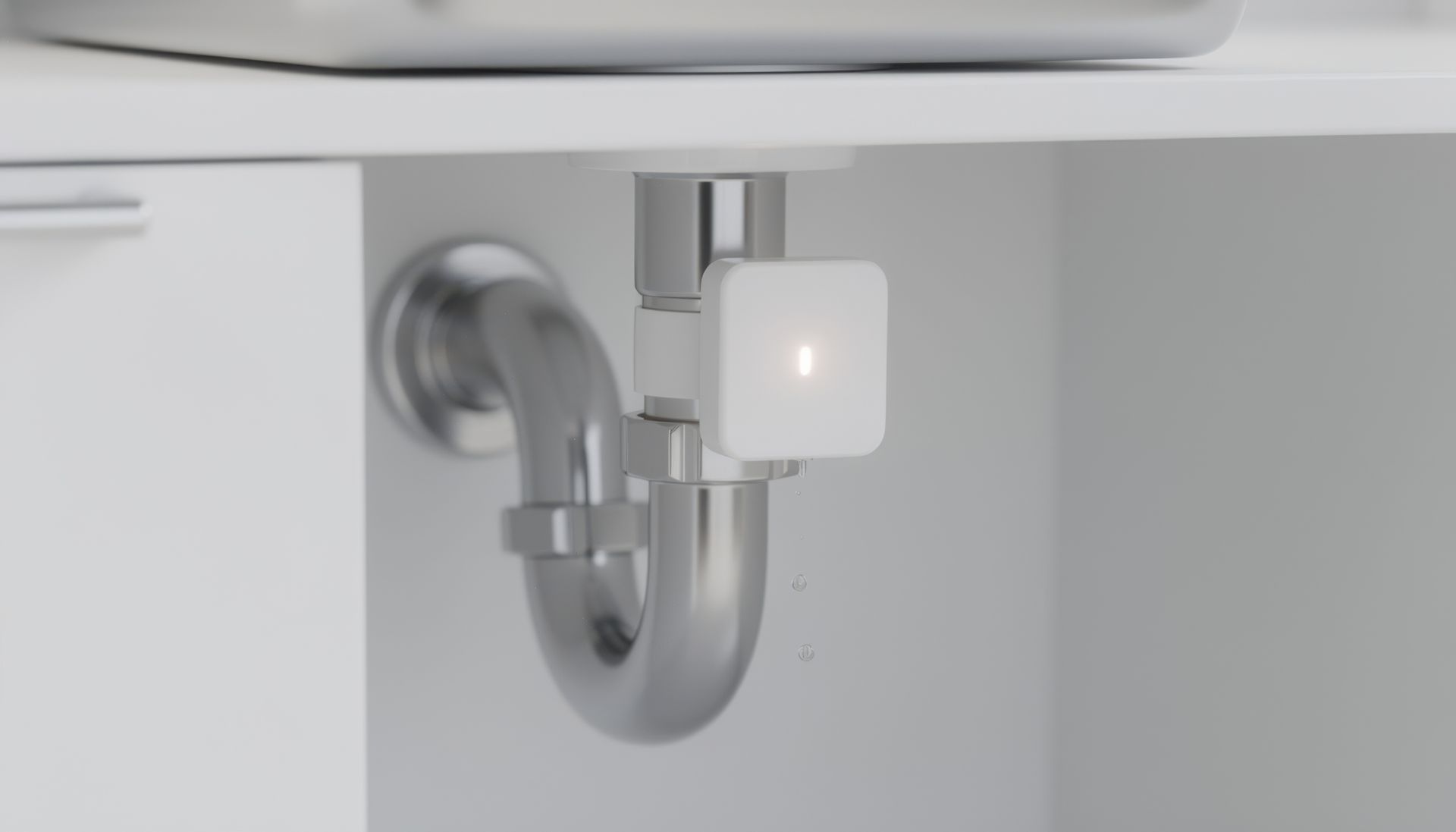
Spot hidden leaks early with leak detection in Estero, FL. First Class Plumbing of Florida, Inc. offers 24/7 service. Call for a free quote today!
Leak detection in Estero, FL can stop hidden leaks before they spike your bill. First Class Plumbing Of Florida, Inc. call 239-597-9997 today!
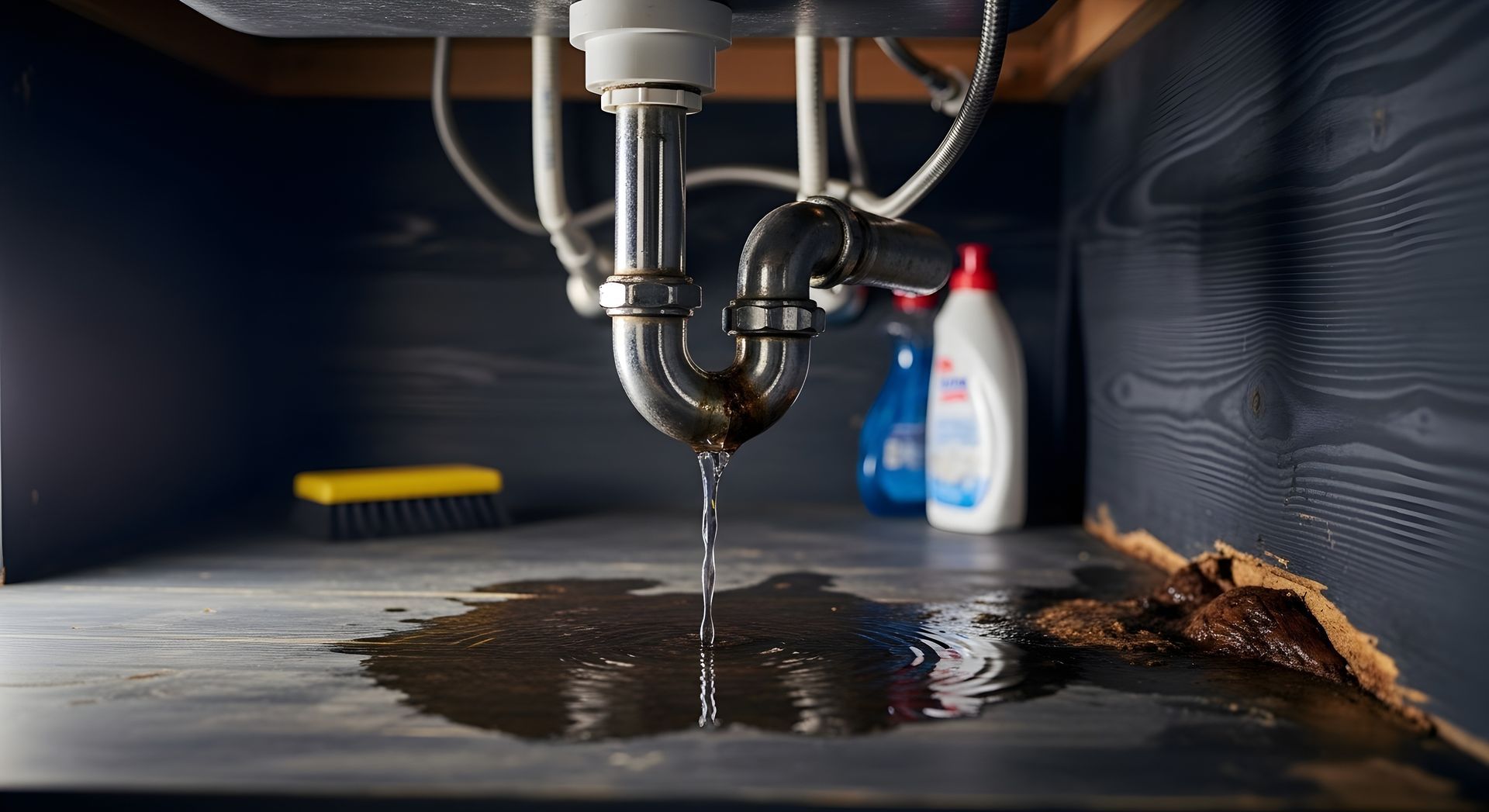
Facing a plumbing leak in Marco Island, FL? Call First Class Plumbing of Florida, Inc. at 239-597-9997 for fast, reliable plumbing leak repair services.
Prevent plumbing emergencies in Bonita Springs, FL, with First Class Plumbing Of Florida, Inc. Call 239-597-9997 now for expert emergency plumber services!
Save money with timely plumbing leak repair in Marco Island, FL. Contact First Class Plumbing Of Florida, Inc., today for fast, reliable service and expert repairs!
Trust First Class Plumbing Of Florida, Inc. for emergency plumbing in Bonita Springs, FL. Call 239-597-9997 for licensed 24/7 service and peace of mind!
Discover the importance of plumbing leak detection in Estero, FL, with First Class Plumbing of Florida, Inc. Call (239) 597-9997 for expert service today!
Discover why quick response times are crucial for emergency plumbing in Bonita Springs, FL. Click here for advice from First Class Plumbing of Florida, Inc.
Discover 5 ways to prevent plumbing leaks in Marco Island, FL. Ensure your home or business stays leak-free. Contact First Class Plumbing at (239) 597-9997.





